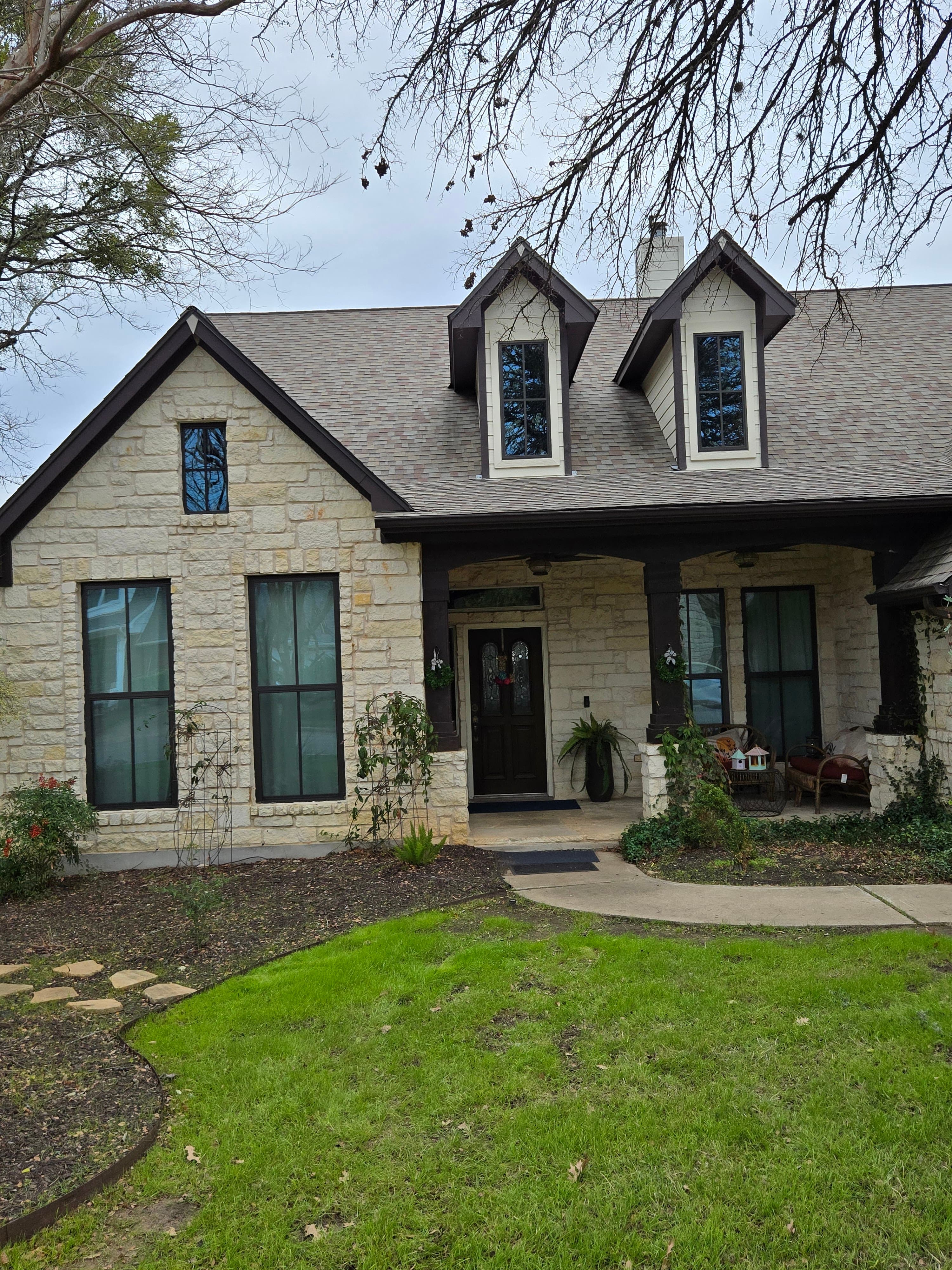
Casement vs. Double-Hung Windows: Which Style Fits Your Austin Home
March 27, 2026
The default when replacing windows is double-hung. Same style as what was there before, familiar operation, widely available. Most of the time that is the right call. But casement windows solve specific problems that double-hung windows do not, and knowing the difference before you order saves you from fixing the right problem with the wrong window. Our window replacement services include both styles, custom measured to your opening.
How Each Window Works
Double-hung windows have two sashes that slide vertically. The bottom sash goes up, the top sash comes down, and both tilt inward for cleaning. Casement windows are hinged on one side and crank open outward. When a casement closes, the sash presses against the frame on all four sides. That compression seal is tighter than what a sliding sash achieves, which matters in a climate where summer heat finds every gap. The U.S. Department of Energy's guide to window types explains the performance differences between operating styles in detail.
Ventilation Differences
This is where casement windows have a measurable edge. When a casement is fully open, the sash acts as a scoop that redirects outside airflow into the room. A double-hung open at both sashes pulls air in at the bottom and lets it out at the top, but it catches less of a cross-breeze. For bedrooms and bathrooms on south or southeast-facing walls in Austin homes, a casement at the right position captures more of the prevailing wind.
Where Double-Hung Wins
Double-hung windows are the right choice for living rooms, dining areas, and any room where flexibility and a traditional look matter more than maximum airflow. They are also the lower-cost option. A vinyl double-hung from Alside typically runs 10 to 15 percent less than a comparable casement from the same manufacturer. If you are replacing 14 windows in a 1990s Austin house and budget is a real factor, double-hung throughout is a practical, durable answer.
The Crank Hardware Trade-off
Casement windows open and close with a crank operator. On quality units, that mechanism runs smoothly for years. On cheaper windows or units installed in high-humidity rooms without adequate ventilation, the crank can wear faster than a standard sash track. If you are putting casements in a bathroom or kitchen above the sink, ask your contractor about the hardware rating before selecting the unit.
When to Mix Styles
Nothing requires you to use the same style on every window. Casements are common in kitchens above a counter where the sill height makes a bottom-opening sash impractical. Double-hung works well everywhere else. David Adams frequently recommends casement windows for one or two specific rooms and double-hung for the rest of the house. During the in-home consultation, each opening gets measured and the use of that room enters the conversation.
Walk through each room before finalizing your window order. Name what that window is actually for. Ventilation, light, view. The style choice usually becomes obvious from the answer. Call (512) 422-1907 or request a free consultation online.
David Adams
Founder & Owner, Austin Window Pros
David Adams started in the home improvement business in 1979 and founded Austin Window Pros in 1992. He personally handles every consultation and has installed thousands of windows and doors across Austin and Central Texas.
About Austin Window Pros →
Ready for a Free Consultation?
No pressure, no obligation. We will assess your home and provide an honest quote for any window, door, or siding project.